Elva Bio

Bioprinting · Materials Science · University of Helsinki

Next-generation bioinks for high-fidelity 3D bioprinting.

Elva Bio develops versatile biomaterials for advanced biomedical applications, unlocking the creation of complex tissue models and enabling true 3D bioprinting.

Learn more

About Us

Who we are

Modern drug development still relies on flat 2D cell cultures that fail to represent human tissue, and on animal models that poorly predict human response. This results in development timelines that stretch into decades and approval costs that reach into the billions. The same bottleneck also keeps artificial organs further out of reach. We believe 3D bioprinting can break this deadlock — by enabling spatially controlled disease models that mimic human environments, and by laying the groundwork for full-scale printed tissues and organ structures.

Elva Bio is a spin-out from the University of Helsinki, founded by four scientists with deep roots in polymer chemistry, cell biology, and materials science. Born from years of academic research, we are now translating scientific breakthroughs into practical tools for drug developers, tissue engineers, and researchers worldwide.

The key to bioprinting lies in the material itself — the bioink. Today, researchers are forced to choose between cytocompatibility and high-resolution printing. Our materials eliminate this trade-off, enabling precise, high-resolution printing without compromising cell viability. They can function either as standalone bioinks or as additives that enhance existing formulations, allowing seamless integration into all current bioprinting workflows.

Technology

Our approach

3D bioprinting holds enormous promise for fabricating tissue and organ models for drug testing. Yet the field has been bottlenecked by a single problem: existing bioink materials cannot achieve the resolution and structural fidelity needed for complex, true-to-life constructs.

Our bioinks are designed to solve this. Based on novel hydrogel chemistries developed at the University of Helsinki, they provide cells with a supportive, biocompatible environment while maintaining the mechanical precision required for high-resolution printing.

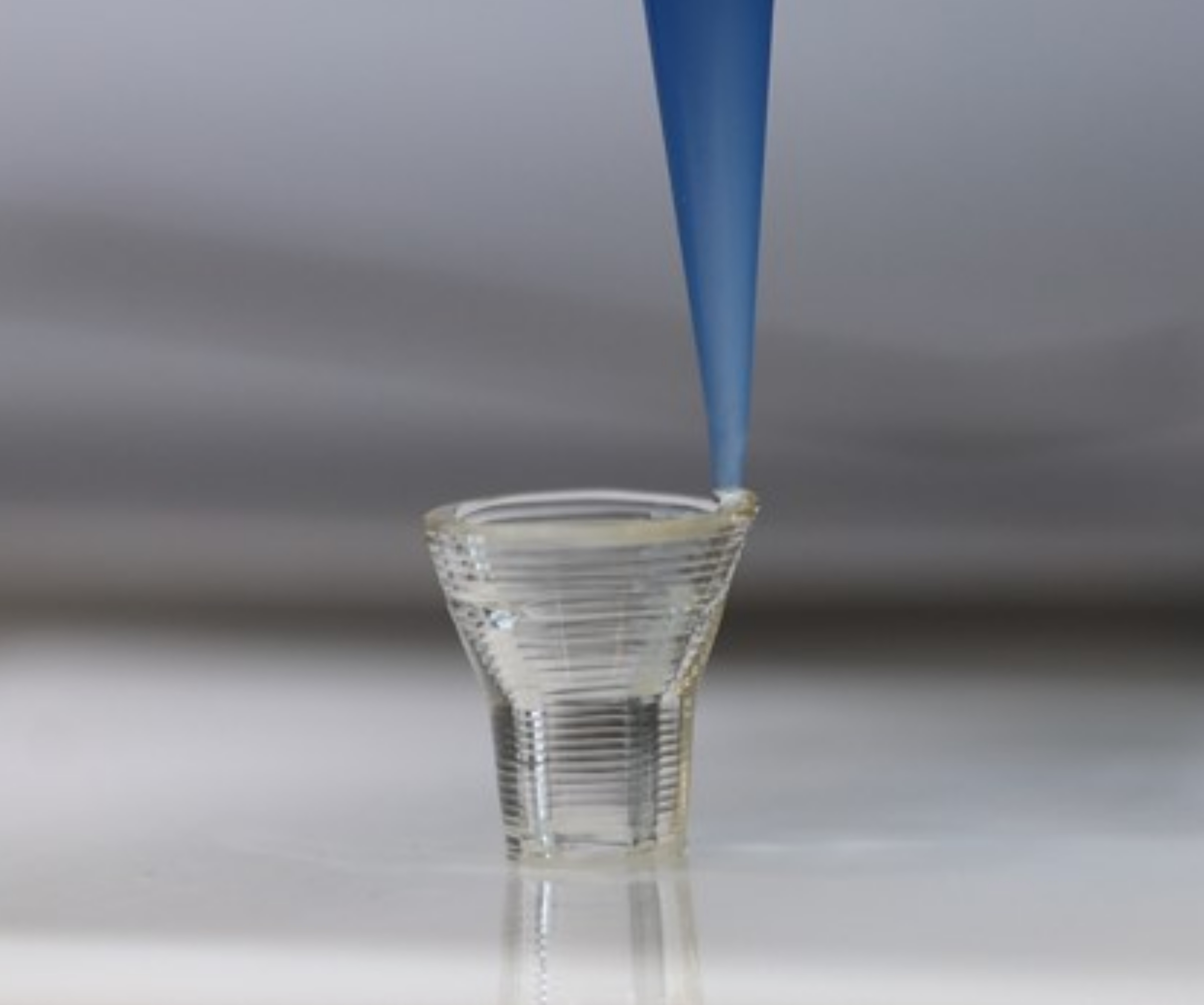
Shape fidelity

Compatible with current bioink workflows, our materials enable fabrication of complex architectures with the precision needed for meaningful disease models.

Hydrogel engineering

Our novel polymer hydrogels have tunable mechanical properties and can be engineered with biological cues to support your cells growth.

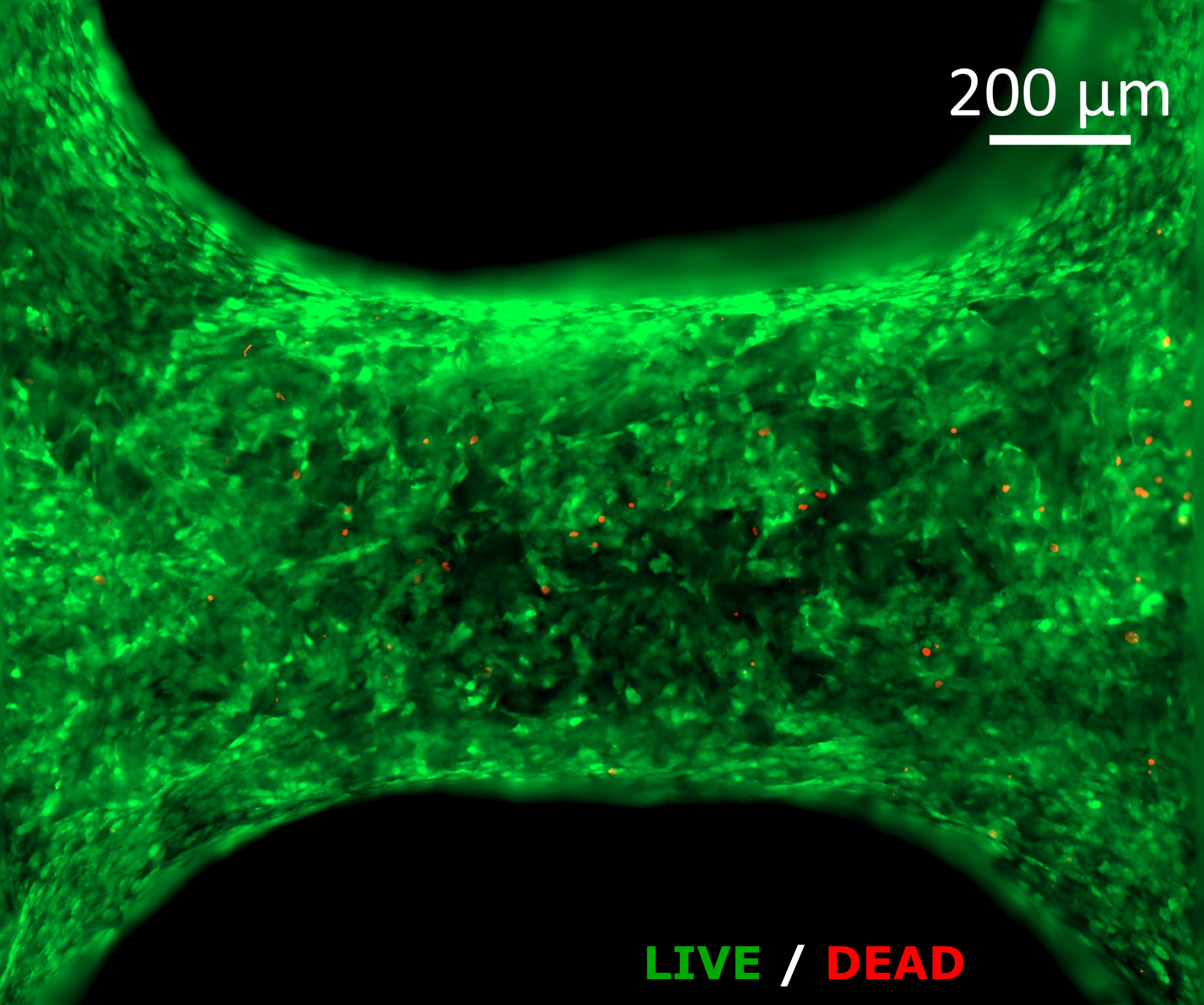
Cell compatibility

We validated our materials across multiple cell types to ensure that they support high cell viability throughout the printing process and provide a biocompatible environment.

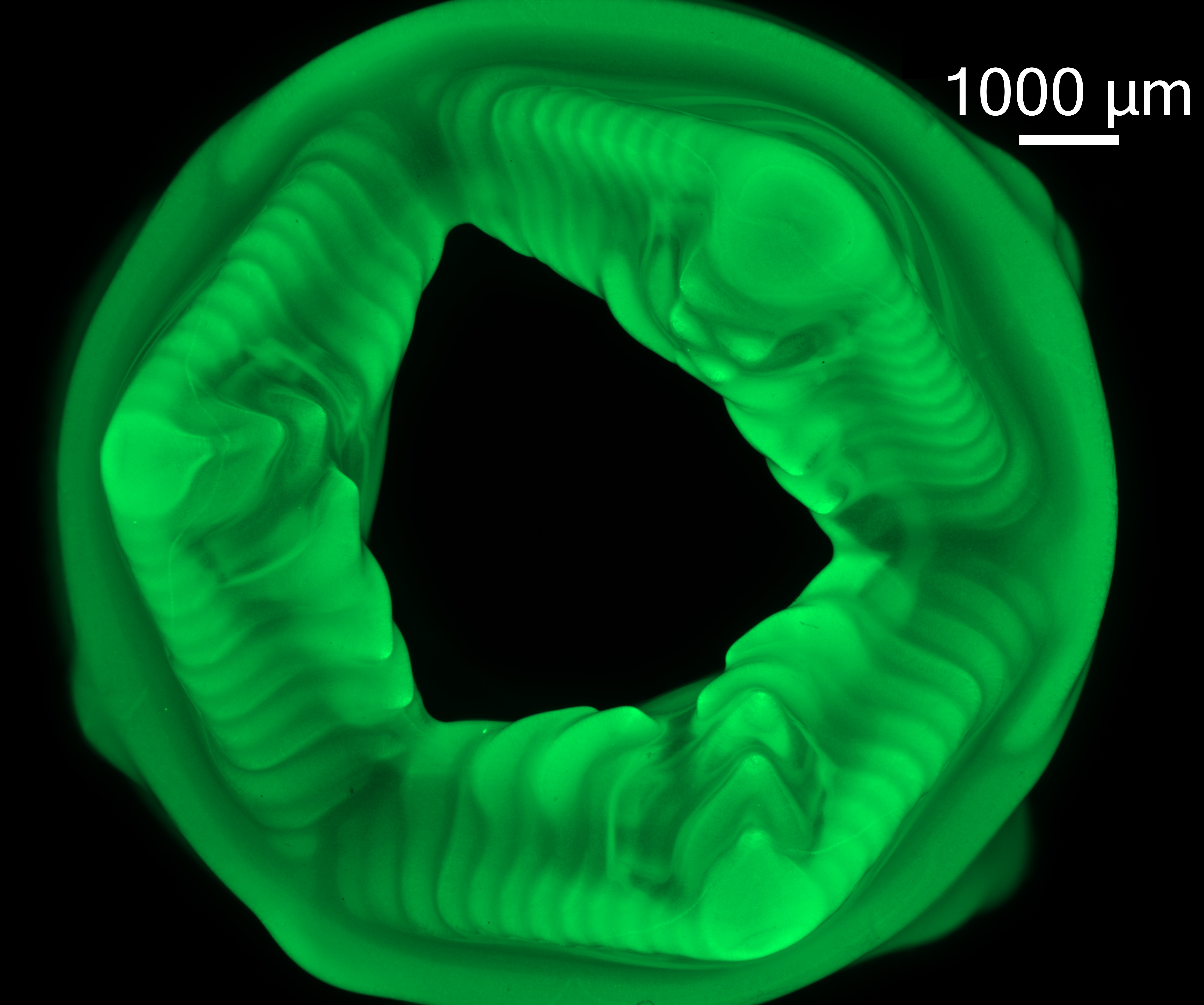
Open heart valve model printed with Elva bioink
Mechanical stability
Live/dead staining after 4 weeks in culture

Publications

Scientific work

News

Updates

April 2026

Interested to learn more? Check out our latest educational article on innovative bioinks and the future of 3D disease models on page 34 of the University of Helsinki journal here.

Contact

Get in touch

We are open to conversations with investors, industry partners, customers, and collaborators exploring bioprinting solutions.